
Generational Perspectives: When Should Kids Start Paying Their Own Bills?

Introduction
The question of when children should start paying their own bills is a topic that sparks diverse opinions among different generations. While financial independence is a valuable life skill, there is no one-size-fits-all answer to the age at which kids should begin footing their expenses. In this article, we will explore the varying viewpoints of different generations on this matter, recognizing the factors that influence these perspectives.
Baby Boomers: Learning Responsibility Early
Baby Boomers, born between 1946 and 1964, often believe in teaching financial responsibility from an early age. They view financial independence as an essential aspect of adulthood and, as a result, encourage their children to start paying for certain expenses in their teenage years.
Common perspectives among Baby Boomers include:
Allowances with Chores: Many Baby Boomers favor the idea of providing allowances tied to chores, teaching their children that money is earned through hard work and contributing to household responsibilities.
Part-Time Jobs: Encouraging part-time employment during high school is a common practice, as it introduces young individuals to the concept of earning and managing their money.
Covering Essentials Only: Baby Boomers often emphasize that kids should be responsible for covering their non-essential expenses, such as entertainment, clothing, and personal items, while parents continue to provide for basic needs like housing and food.
Generation X: Balancing Independence and Support
Generation X, born between 1965 and 1980, typically strike a balance between financial independence and parental support. They believe in equipping their children with financial skills while maintaining some level of assistance.
Common perspectives among Generation X include:
Savings and Budgeting: Gen Xers often advocate for teaching their kids about savings, budgeting, and the importance of financial planning. They may guide their children in managing their own savings accounts.
College Expenses: Many Gen X parents are willing to support their children through college or trade school but may expect their kids to contribute through part-time work or scholarships to share the financial responsibility.
Gradual Increase in Responsibility: Generation X parents often believe in gradually increasing their children’s financial responsibilities as they get older and more financially literate.
Millennials: Delayed Financial Independence
Millennials, born between 1981 and 1996, sometimes have a different perspective on when kids should start paying their own bills. They may face unique financial challenges and consider their upbringing when determining their approach to teaching financial responsibility.
Common perspectives among Millennials include:
Delayed Independence: Some Millennials experienced a more prolonged transition to financial independence due to student loan debt and a challenging job market. As a result, they may advocate for a more extended period of parental support.
Teaching Financial Literacy: Millennials tend to emphasize the importance of teaching their children about financial literacy and decision-making from a young age, even if they continue to provide financial support.
Shared Financial Goals: Many Millennials believe in setting financial goals and working together with their children to achieve them, fostering a sense of partnership in managing expenses.
Generation Z: Shaping the Future
Generation Z, born from the late 1990s to the early 2010s, is the youngest generation to consider the question of when kids should start paying their own bills. They are influenced by the financial habits and beliefs of their parents, but they also bring their unique perspectives to the table.
Common perspectives among Generation Z include:
Early Introduction to Finances: Many Gen Z parents are introducing their children to financial concepts at an earlier age, promoting financial literacy and independence.
Focus on Savings and Investment: Gen Z may place an emphasis on saving for the future and investing early, with a goal of achieving financial independence as soon as possible.
Technology and Digital Money: Growing up in a digital age, Gen Z may have different attitudes toward digital payments, cryptocurrencies, and alternative forms of money management.
The question of when kids should start paying their own bills does not have a one-size-fits-all answer. Different generations have varying perspectives, shaped by their own experiences, values, and economic circumstances. The approach to teaching financial responsibility can evolve over time, as each generation learns from the successes and challenges of the previous ones. Ultimately, the decision should be guided by the parents’ values, their children’s readiness, and the family’s unique circumstances, with the shared goal of equipping the younger generation with the financial skills they need for a successful and independent future.
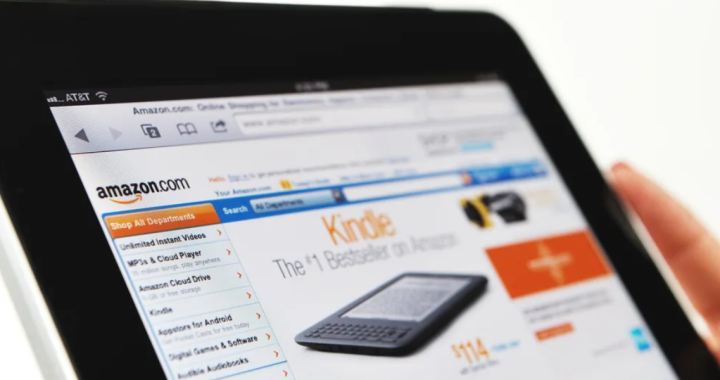 Smart Shopper’s Guide: 10 Money-Saving Hacks for Amazon
 Gray Divorces: The Impact on Your Retirement Plans
 The Changing Landscape: Husbands and Wives Earning Equally
 Building a Bright Future: Three Strategies to Start Saving for Your Child
 Generosity and Love: How — and Why — to Give to Your Grandkids
 10 Unusual Money Saving Tips For Students

 Reigniting Your Passion for Charitable Giving: What to Do When the Flame Flickers
 Anticipating Savings: How a Landmark Court Case Could Make Home Sellers’ Costs More Affordable
 5 Imperative Facts to Acknowledge Before You Opt for Debt Settlement
 Save Money During the Winter Months with These Easy Tips
 Credit Rating: How To Improve Credit Rating?
 Top Property Investment Tips
 How to Save Money on Home Improvements
 Securing Your Finances: A 3-Step Guide to Freezing Your Credit
 Top Money Saving Tips For Everyday Spending
 Revolutionizing Food Delivery: HSA and FSA Cards Welcomed by DoorDash and Instacart
 Top 10 Benefits of Having Commercial Insurance Coverage from Insurance Agents
 Elevate Your Savings Game: Why It’s Time to Switch to Accounts with 5%+ Rates
 Navigating Retirement Roads: The Intersection of Student Loan Payments
 Final Approval Granted for $725M Facebook Settlement – A Landmark Resolution for Privacy Claims