
Navigating the Surge: Strategies Employed by Medical Credit Card Marketers to Reach Consumers
Introduction:
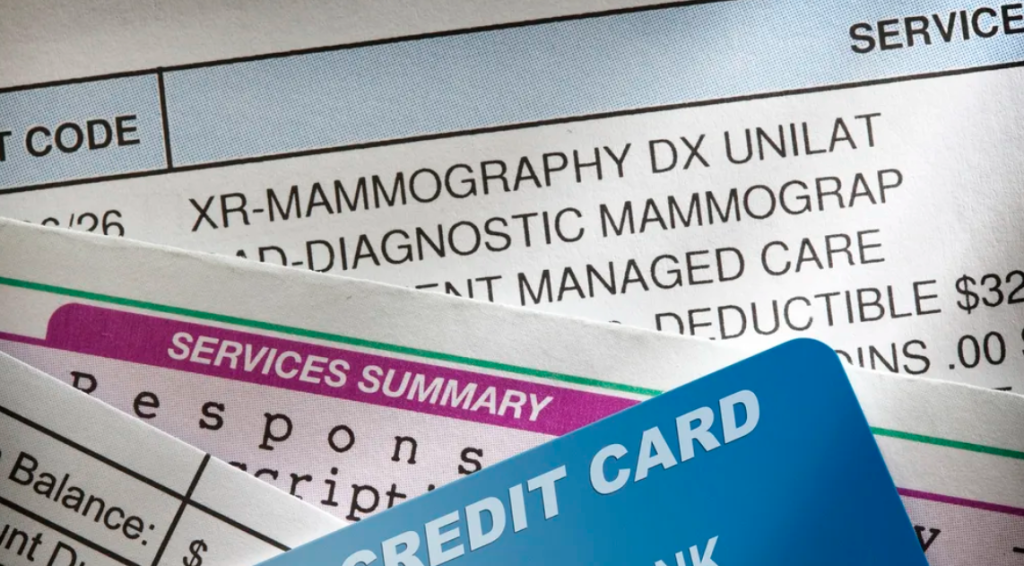
In the ever-evolving landscape of healthcare financing, medical credit cards have become a focal point for both providers and consumers. These cards offer a financing solution for medical expenses, but the marketing tactics employed by issuers are becoming increasingly diverse and intricate. In this article, we will explore the various strategies used by medical credit card marketers to reach consumers, shedding light on the implications and considerations for individuals navigating the intersection of healthcare and finance.
In-Office Promotion: One prevalent strategy involves in-office promotion, where medical credit card representatives actively engage with patients within healthcare facilities. This direct approach seeks to capitalize on the immediacy of the medical decision-making process, encouraging individuals to consider medical credit cards as a convenient financing option for their immediate healthcare needs.
Partnerships with Healthcare Providers: Medical credit card companies often form partnerships with healthcare providers, creating a seamless integration of financing options within the healthcare system. This strategy aims to position medical credit cards as an integral part of the patient experience, offering a streamlined process for managing healthcare expenses.
Online and Social Media Presence: Recognizing the influence of digital platforms, medical credit card marketers have expanded their online presence. They leverage targeted advertisements on social media platforms and search engines to reach consumers actively seeking information about healthcare financing. The goal is to capture the attention of individuals navigating the complexities of medical expenses.
Offering Limited-Time Promotions: To create a sense of urgency and incentivize immediate action, medical credit card marketers frequently employ limited-time promotions. These may include zero-interest introductory periods, discounted fees, or special financing terms. Such promotions aim to attract consumers by presenting the medical credit card as a financially advantageous option.
Direct Mail Campaigns: Traditional marketing methods, such as direct mail campaigns, are still widely utilized by medical credit card issuers. Targeted mailings reach specific demographics or individuals with specific medical needs, providing them with tangible information about the benefits of using medical credit cards for their healthcare expenses.
Educational Initiatives: Recognizing the importance of informed decision-making, some medical credit card marketers invest in educational initiatives. This may involve creating informational materials, hosting webinars, or collaborating with healthcare professionals to ensure that consumers understand the terms, benefits, and potential risks associated with using medical credit cards.
Tailored Financing Plans: Medical credit card issuers often emphasize the flexibility of their financing plans. By tailoring repayment terms to accommodate individual financial situations, they seek to position medical credit cards as a customizable and patient-friendly solution for managing medical costs.
Leveraging Telehealth Platforms: In the era of telehealth, medical credit card marketers are exploring partnerships with telehealth platforms. This collaboration allows for the seamless integration of financing options during virtual medical consultations, presenting patients with an immediate solution for covering the costs of remote healthcare services.
Conclusion:
The strategies employed by medical credit card marketers reflect a dynamic landscape where healthcare and finance intersect. As these financial tools become more integrated into the healthcare experience, consumers must navigate a myriad of promotional tactics. It is crucial for individuals to approach medical credit card offers with a discerning eye, carefully evaluating terms, interest rates, and potential long-term implications. As the market continues to evolve, staying informed and proactive will be key for consumers seeking to strike a balance between healthcare needs and financial well-being.
 Securing Your Finances: A 3-Step Guide to Freezing Your Credit
 Elevate Your Credit Score Quickly: 6 Effective Strategies
 Experian’s $650K Fine: Unpacking the Consequences of Spamming Violations
 Safeguarding Patient Privacy: Navigating the Potential Impact of a Healthcare Data Breach
 Unleashing Financial Awareness: Weekly Access to Permanent Free Credit Reports
 Empower Your Finances: A Guide to Free Credit Report Monitoring

 Reigniting Your Passion for Charitable Giving: What to Do When the Flame Flickers
 Anticipating Savings: How a Landmark Court Case Could Make Home Sellers’ Costs More Affordable
 5 Imperative Facts to Acknowledge Before You Opt for Debt Settlement
 Save Money During the Winter Months with These Easy Tips
 Credit Rating: How To Improve Credit Rating?
 Top Property Investment Tips
 How to Save for a Mortgage Deposit?
 Credit Rating: How To Improve Credit Rating?
 8 Simple And Effective Tips To Save Money
 Important Ways You Can Relieve the Financial Pressures of Debt
 What Is A Reverse Mortgage?
 Slash Your Driving Costs With These Great Tips
 Fed’s Stand Against ‘Swipe Fees’: Navigating the Landscape of Payment Processing Costs
 The Changing Landscape: Husbands and Wives Earning Equally